

In the world of gaming, where epic battles and nail-biting moments unfold, game streaming tournaments have taken center stage. Picture this: players battling it out in a digital arena while thousands of fans cheer from the comfort of their couches. It’s like the Super Bowl, but with more pixels and fewer commercials about car insurance.
Overview of Game Streaming Tournaments
Game streaming tournaments showcase competitive gameplay across various platforms. Participants often include both professional players and enthusiastic amateurs, creating dynamic matchups. Each tournament highlights specific games, such as “League of Legends,” “Fortnite,” or “Dota 2,” attracting diverse audiences.
With thousands of viewers tuning in, these events resemble major sports finals. Streamers attract fans through their unique personalities and gameplay skills. Engaging commentary enhances the viewing experience, making it more exciting for spectators.
Numerous platforms host these tournaments, including Twitch and YouTube Gaming. These platforms enable real-time interaction between viewers and players, allowing fans to connect directly. Many tournaments also offer substantial prize pools, incentivizing participants to perform at their best.
Tournament formats vary, with some adopting single-elimination brackets while others prefer round-robin formats. Organizers carefully plan schedules to maximize viewer engagement. The growth of esports has increased the frequency of these events, with multiple tournaments occurring weekly.
Gamers often collaborate with sponsors to boost visibility and resources. Companies see the potential for brand exposure, leading to partnerships that enhance tournament experiences. Fans can expect unique merchandise, giveaways, and other interactive elements during events.
As technology advances, the production quality of tournaments improves. Enhanced graphics and streaming capabilities contribute to a more immersive viewing experience. Future trends indicate even greater integration of virtual reality and augmented reality into tournaments.
Popular Game Streaming Platforms
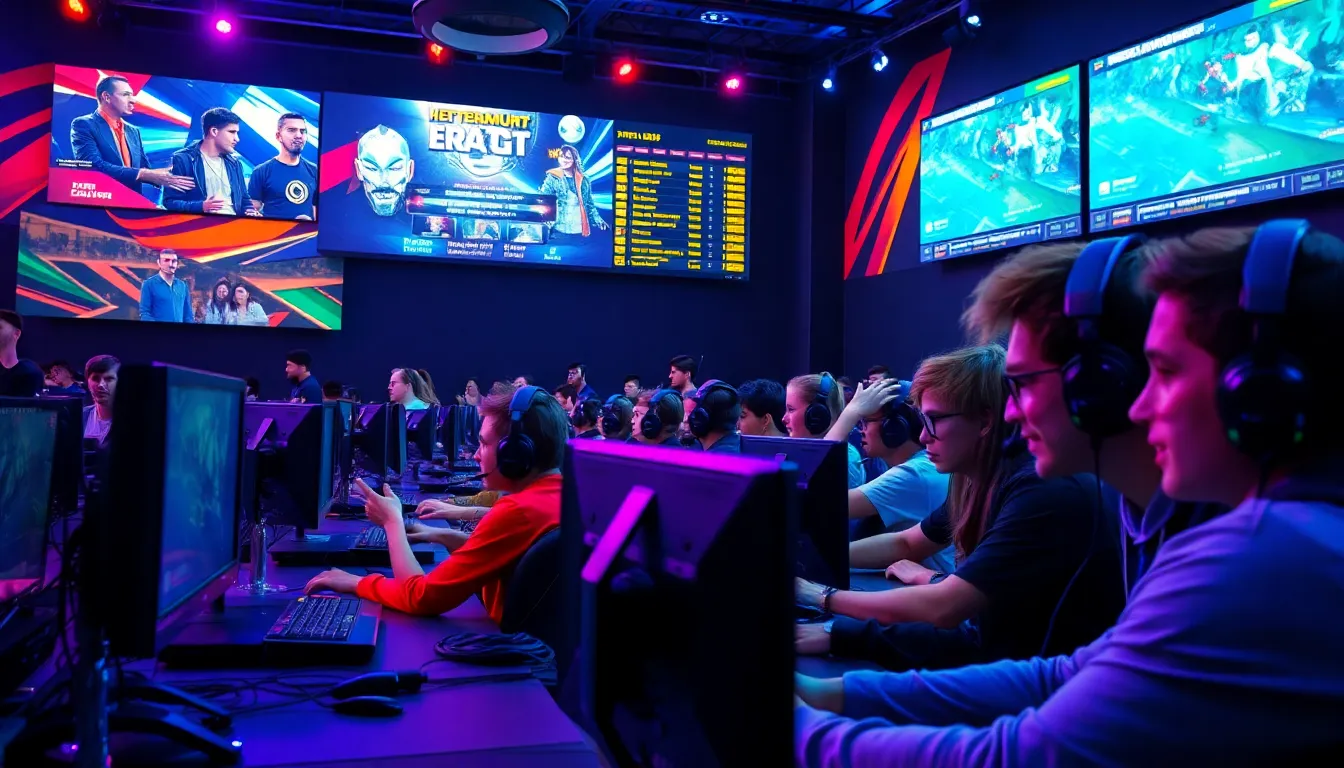
Streaming platforms play a crucial role in facilitating game tournaments. They offer essential tools to connect players and fans, fostering a vibrant community.
Platform Features
Twitch dominates the game streaming landscape with its user-friendly interface and extensive customization options. YouTube Gaming provides seamless access to video libraries, allowing viewers to watch past tournaments instantly. Facebook Gaming attracts newer audiences through its integration with social media features. Each platform supports various streaming qualities, ensuring that viewers experience minimal lag. Dedicated chat functions on these platforms enhance interaction, enabling audiences to communicate directly with streamers during events. Moreover, some platforms offer monetization options for streamers, incentivizing content creation and engagement.
Audience Engagement
Viewer participation significantly enhances the excitement of game tournaments. Many platforms incorporate real-time chat, enabling instant feedback and commentary from fans. Polls and votes during live streams introduce an interactive element, allowing audiences to influence gameplay discussions. Regular giveaways and contests drive engagement further, creating excitement around the tournaments. Alongside this, in-platform alerts notify users about upcoming events, ensuring they never miss a moment. The presence of influential streamers draws larger audiences and promotes community interaction, solidifying the appeal of game streaming platforms in the competitive gaming landscape.
Types of Game Streaming Tournaments
Game streaming tournaments feature diverse formats, catering to various player preferences and skill levels. Two prominent types include solo versus team competitions and casual versus professional play.
Solo vs. Team Competitions
Solo competitions showcase individual talent and skill, allowing players to demonstrate personal strategies. Players focus solely on their gameplay, competing against others in one-on-one formats. Team competitions, on the other hand, highlight cooperation and coordination. Teams work together, utilizing strengths and strategies for success against opposing teams. Observers often find team tournaments more dynamic due to the interaction and synergy displayed among players. Famous games like “League of Legends” and “Valorant” exemplify both formats, each attracting unique audiences.
Casual vs. Professional Play
Casual play offers a laid-back atmosphere, featuring amateur players who participate for fun rather than significant prizes. Enjoyment remains the primary focus, allowing enthusiasts to engage without high stakes. Professional tournaments, in contrast, attract elite players competing for substantial cash prizes and prestige. Rigorous preparation and strategic gameplay characterize these events, producing intense competition. Viewers experience thrilling moments that showcase the peak of gaming skills, especially during renowned events such as “The International” for “Dota 2.” Both types contribute to the vibrant landscape of game streaming tournaments, appealing to a wide range of spectators.
The Role of Sponsors and Advertisers
Sponsors and advertisers play a pivotal role in the success of game streaming tournaments. Their financial support often leads to substantial prize pools, attracting both top-tier players and enthusiastic amateurs. Increased investment from brand partners enhances the overall experience for viewers and participants alike.
Various companies target their advertising strategies to align with specific gaming demographics. Brands like Intel and Red Bull frequently sponsor tournaments, associating themselves with high-stakes competition and community engagement. The presence of these sponsors elevates the profile of events, ensuring greater visibility.
Collaborative marketing efforts result in unique merchandise and promotional activities during tournaments. Fans appreciate special edition products linked to their favorite games or players, enhancing their connection to the event. Advertisers also benefit from engaging with dedicated audiences keen on gaming.
Sponsorship extends beyond mere funding. Many sponsors actively participate in the tournaments, providing branded content and even hosting live experiences. This direct involvement fosters a stronger connection between brands and the gaming community, promoting long-term loyalty.
Advertisers leverage streaming platforms to create interactive promotions, making the experience more immersive for viewers. Features like giveaways and contests keep fans engaged and encourage them to share content on social media. As a result, the competitive atmosphere of tournaments becomes intertwined with brand messaging, capturing the interest of players and spectators.
Analysis shows that effective sponsorship increases viewer retention during tournaments. Engaged audiences are more likely to remember and interact with brands associated with their favorite events. The integration of sponsors in this way enriches the overall tournament experience while boosting brand recognition, creating a win-win environment for all parties involved.
Challenges Faced by Game Streamers
Game streamers encounter numerous challenges that impact their performances and audience engagement during tournaments.
Technical Issues
Streamers often face technical issues that disrupt gameplay. Internet connectivity problems can lead to lag or disconnections, frustrating both players and viewers. Equipment failures, such as malfunctioning webcams or microphones, may hinder communication. Software glitches can interrupt broadcasts, causing loss of critical moments in a tournament. Streamers must stay vigilant and prepared, as even minor technical flaws can significantly affect viewer experiences.
Community Management
Engaging with the community poses another challenge for streamers. Building a supportive audience requires consistent interaction across various platforms. Moderating chats during live streams is essential, ensuring a safe environment free from toxic behavior. Streamers must balance personal engagement while maintaining professionalism during intense moments. Addressing viewer questions and comments enhances participation, but streamers can struggle to keep up with rapid exchanges. Managing community expectations and fostering positive relationships ultimately influence long-term success in tournaments.
Game streaming tournaments have transformed the gaming landscape into a vibrant spectacle that captivates audiences worldwide. With the blend of competitive gameplay and interactive engagement these events offer, it’s no wonder they’re gaining traction akin to traditional sports. As technology continues to evolve and streaming platforms enhance viewer experiences, the future of game streaming tournaments looks promising.
The collaboration between sponsors and streamers not only boosts tournament visibility but also creates a sense of community among fans. As more players participate and audiences grow, the excitement surrounding these tournaments will only intensify. The evolution of esports is here to stay, paving the way for new opportunities and experiences in the gaming realm.