
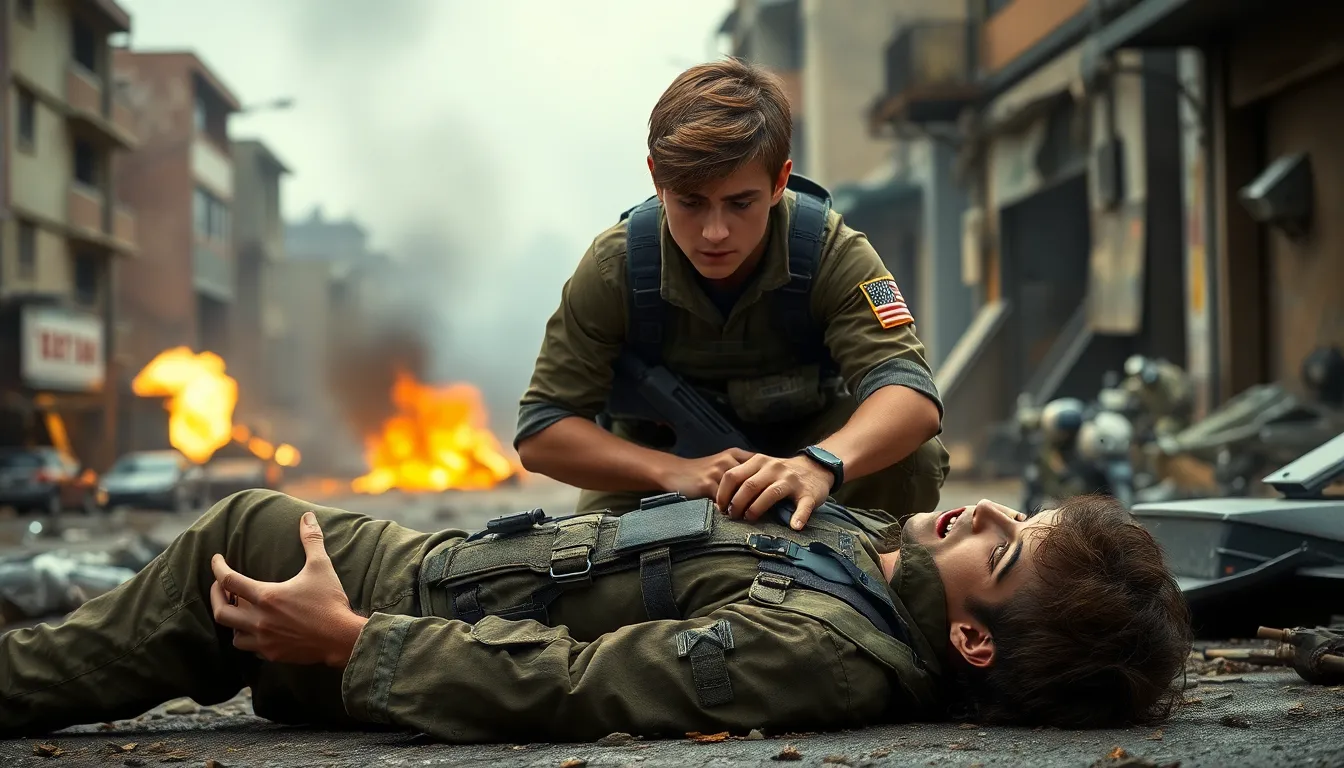
In the fast-paced world of first-person shooters, nothing feels quite as heroic as pulling off a clutch revive. Picture this: your teammate’s down, the enemy’s closing in, and you’ve got just seconds to save the day. It’s a high-stakes moment that can turn the tide of battle and make you the unsung hero—or the target of some serious rage.
Overview of FPS Teammate Revive
Reviving a teammate in first-person shooter games serves as a critical gameplay element, often determining the outcome of intense battles. Engaging in this action demands swift decision-making and precise execution, especially under pressure. Teammates may find themselves downed during crucial encounters, and the ability to bring them back into the fight can shift momentum dramatically.
Many modern FPS games incorporate unique mechanics for teammate revival. Some titles allow players to revive allies instantly, while others necessitate a specific animation or time delay. Understanding the revival mechanics and their individual consequences remains essential for effective team play.
Successful revives often depend on situational awareness. Players must assess the surrounding environment, ensuring adequate cover before initiating the revival. Positioning becomes vital, as opponents may take advantage of the vulnerability experienced during the revival process.
Effective communication strengthens the chances of successfully reviving teammates. Clear calls for support alert allies to potential dangers while a revival occurs. Additionally, sharing information about enemy locations or regrouping strategies enhances overall team performance.
Ultimately, reviving a teammate not only restores numbers but also fosters team morale. Players who prioritize teammate revives can establish themselves as valuable allies, creating an environment conducive to victory. This camaraderie shines brightly against the backdrop of fast-paced FPS environments, showcasing the significance of teamwork amid chaos.
Importance of Reviving Teammates
Reviving teammates plays a pivotal role in team success during FPS matches. This action strengthens both individual and team performance.
Enhancing Team Dynamics
Team dynamics improve when players revive each other. Trust builds among teammates, fostering collaboration and strategic gameplay. Engaging in revives encourages players to communicate effectively, as they’ll share calls for assistance and warnings about danger. High-intensity situations often require quick decision-making; reviving an ally promotes a sense of unity. Such cooperative behavior enhances overall synergy on the battlefield and can lead to more coordinated tactics.
Impact on Game Outcomes
Revives significantly affect game outcomes. A single revival can shift momentum from one team to another. When teammates return to the fight, they increase overall firepower. Revived players may contribute unique skills that can be crucial in securing objectives or eliminating opponents. Winning matches often hinges on these pivotal moments, where quick revives keep teams in contention. Ultimately, frequent revivals not only restore numbers but also heighten the competitive edge, ensuring teams remain a formidable presence in the game.
Best Practices for Effective Revives
Reviving teammates effectively requires both strategy and communication. Players maximize their chances for success by understanding and implementing best practices.
Communication Strategies
Effective communication enhances revive efforts. Players must use voice or text chat to alert teammates about their downed status. Phrasing matters; clear, concise phrases like “I’m down!” help teammates react promptly. Providing strategic information about enemy positions also empowers allies to make informed decisions. Additionally, coordinating revive attempts through call-outs encourages cooperation. Players should establish a clear code for revives to prevent confusion. Such strategies maintain team focus and improve response times during critical moments.
Timing Considerations
Timing plays a crucial role in successful revives. Immediate responses yield better outcomes. Waiting too long reduces a teammate’s chances of returning to the fight. Players should assess the risk of reviving versus engaging enemies. Reviving while under fire often results in double casualties. Knowing when to prioritize revives over offensive actions ensures a balanced approach. Utilizing game mechanics, such as revive timers and cooldowns, allows players to strategize better. Optimally timed revives can shift battle momentum, turning the tide in favor of the team.
Challenges in Teammate Revives
Teammate revives present several challenges that players must navigate to ensure successful rescues during intense gameplay moments.
Situational Awareness
Situational awareness serves as a cornerstone for effective revives. Players must continually assess their surroundings to identify threats and opportunities. Recognizing enemy positions proves crucial; an unprotected revive can lead to immediate failure. Monitoring teammate locations also matters; knowing who is down can streamline the revival process. Positioning not only affects the safety of the reviver but also influences the timing of the revive. It is essential to communicate with the team about nearby dangers and potential escape routes. Additionally, players should maintain focus on the overall battlefield dynamics, adapting their strategies as the fight evolves.
Overcoming Revive Mechanic Limitations
Revive mechanics vary across games, each presenting unique challenges. Some titles feature intricate animations that require substantial time to complete, leaving players vulnerable. Others grant instant revives but may limit the player’s ability to engage simultaneously. Understanding these mechanics enhances strategic decision-making. Optimizing the revive action requires a balance between timing and assessing risks. Players need to recognize when to prioritize revives over aggressive gameplay. Utilizing game interfaces effectively aids in gauging revive opportunities and cooldowns. Practicing these mechanics in different situations builds familiarity and confidence, ultimately leading to successful revives that can alter the course of battle.
Innovations in FPS Revive Mechanics
Innovations in FPS revive mechanics enhance gameplay. Various games adopt distinct approaches to revive systems.
Game Title Comparisons
“Call of Duty: Warzone” features instant revives through loadout mechanics, allowing teammates to deploy back to the battlefield quickly. In “Apex Legends,” players use unique abilities tied to character classes, each offering unique advantages during teammate revives. “Battlefield V” introduces a more tactical gameplay style, requiring players to perform longer animations that emphasize team strategy and coordination. Players experience differences in recovery processes across these games, showcasing the variety in revive mechanics.
Future Trends in FPS Games
Emerging trends point to more dynamic revive systems. Developers increasingly focus on integration of revive perks that enhance overall team synergy. Upcoming titles may introduce AI-driven mechanics that assist players with timely revives based on combat dynamics. Additionally, gamification of revive actions could enhance engagement, encouraging players to maximize teamwork. Innovations in virtual reality and augmented reality may further transform how players interact during revives, elevating the competition in FPS games.
Reviving teammates in FPS games is more than just a gameplay mechanic; it’s a pivotal moment that can define the outcome of a match. The ability to execute a successful revive hinges on quick thinking and strategic communication. Players who master these skills not only enhance their own performance but also contribute to the team’s overall success.
As the landscape of FPS games evolves, so do the mechanics surrounding revives. Understanding the nuances of each game’s system can give players a significant edge. By fostering teamwork and maintaining situational awareness, players can turn the tide of battle and emerge victorious. Embracing the challenges of reviving teammates ultimately strengthens bonds and cultivates a sense of unity that can lead to greater achievements in the competitive realm of FPS gaming.