

In the fast-paced world of gaming and video production, frame rates can make or break the experience. Imagine watching your favorite action scene play out like a slideshow—yikes! That’s where an FPS converter swoops in like a superhero, transforming those sluggish frames into a smooth cinematic delight. Whether you’re a gamer looking to boost your performance or a filmmaker wanting to achieve that buttery-smooth look, this tool is your new best friend.
What Is An FPS Converter?
An FPS converter is a software tool designed to adjust the frame rate of videos and games. This converter allows users to transform low frames per second into higher rates, enhancing visual smoothness. Gamers frequently utilize this tool to achieve fluid motion during gameplay. Professionals in video production also benefit from FPS converters to ensure consistency in their cinematic projects.
FPS converters operate by interpolating frames. This process generates additional frames based on existing ones, creating a smoother experience. Many converters support various formats, making them versatile for different media types. Some popular options include online tools, standalone applications, and integrated features in video editing software.
Different FPS settings cater to specific needs. For instance, 30 FPS is standard for most video content, while 60 FPS provides enhanced fluidity, particularly in fast-paced scenarios. Users seeking to upgrade their frame rates often turn to converters for essential performance improvements.
Understanding the technical aspects of FPS conversion helps users select the right tool. Many converters include adjustable settings, allowing for custom frame rates based on user preferences. The effectiveness of these tools can depend on the source material and desired output.
FPS converters play a critical role in optimizing visual performance across gaming and video production. By upgrading frame rates, they enhance the quality of the viewing experience, enabling smoother and more engaging content.
Types Of FPS Converters
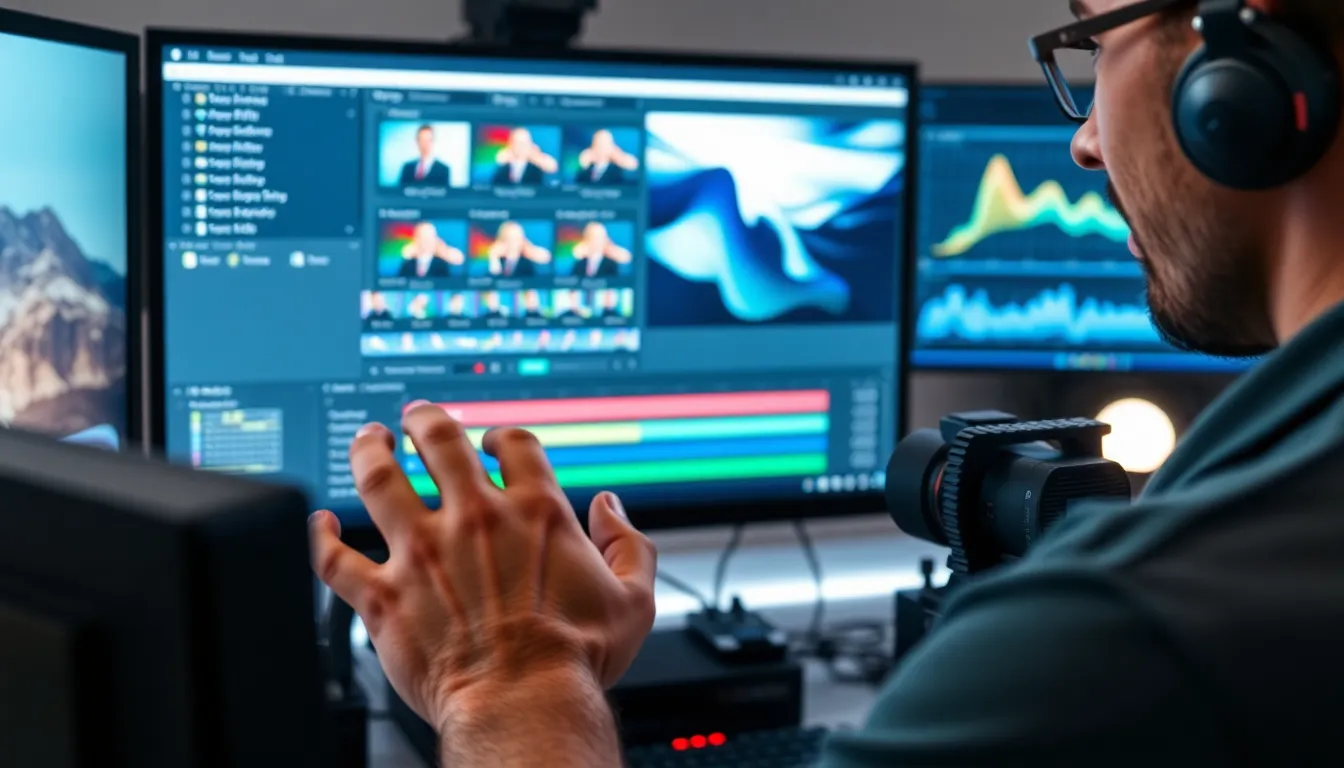
FPS converters come in various types, each serving specific purposes and user needs. Understanding these types helps in selecting the most suitable tool.
Software-Based Converters
Software-based converters operate as standalone applications or integrated features in video editing programs. They enable users to adjust frame rates through frame interpolation, enhancing visual fluidity without additional hardware. Popular software options include Filmora and Adobe Premiere Pro, known for their user-friendly interfaces and extensive features. These converters typically support various file formats, making them versatile for video editing and gaming. Users can often customize settings, allowing for precise adjustments based on specific project requirements. Many software-based converters also offer real-time preview capabilities, helping users assess the output before finalizing changes.
Hardware-Based Converters
Hardware-based converters utilize physical devices to modify frame rates during video playback or capture. These devices often connect between the source and display, ensuring real-time conversion without latency. High-quality hardware converters maintain video quality while handling different formats, catering to both gamers and professionals. Brands such as Elgato and AJA provide reputable products designed for seamless FPS conversion. Users appreciate the reliability and speed provided by hardware solutions, particularly in live streaming or gaming situations. Integration with existing setups is usually straightforward, enhancing convenience for users. Overall, hardware-based converters offer efficient solutions for achieving optimal frame rates.
How To Use An FPS Converter
Using an FPS converter involves a few straightforward steps to achieve desired frame rates. Users can significantly enhance their video or gaming experience by adjusting the frame rate effectively.
Step-by-Step Guide
- Download the converter: Obtain either a standalone application or an online tool suited to specific needs.
- Upload the video or game: Import the desired file into the FPS converter interface.
- Select the frame rate: Choose the target frame rate, often between 30 FPS and 60 FPS, for optimal performance.
- Adjust settings: Customize additional parameters, such as resolution and quality, to enhance the output.
- Convert the file: Initiate the process, allowing the converter to generate the new version with the selected frame rate.
- Export the finished file: Save the converted content to a designated location for easy access.
Common Issues And Fixes
Various problems may arise when using FPS converters. Users might encounter undesirable output quality. Adjusting settings can help solve this. Inconsistent frame rates can disrupt visual experience. Ensuring the chosen frame rate aligns with the source material often resolves this. Another common issue involves long processing times. Choosing a more efficient converter or reducing the file size may speed up the process. Finally, users might face compatibility problems with certain formats. Selecting converters known for supporting multiple formats can alleviate this concern.
Benefits Of Using An FPS Converter
Increased visual fluidity represents a primary advantage of using an FPS converter. Gamers experience smoother gameplay and improved immersion when frame rates rise from 30 FPS to 60 FPS or higher. Enhanced performance leads to better reactions during competitive scenarios, giving players a clear edge.
Another benefit involves professional video production. Filmmakers find that consistent frame rates enhance the quality of their projects. Utilizing an FPS converter ensures videos maintain a polished cinematic look, allowing for greater audience engagement.
Flexibility in frame adjustments allows users to tailor their experience. Many converters support a variety of formats and customizable settings, empowering creators to achieve their specific vision. The ability to interpolate frames effectively adds new dimensions to static footage, transforming it into more dynamic content.
Efficiency becomes a key consideration as well. FPS converters often optimize processing times, reducing the lengthy rendering periods associated with traditional video editing. This efficiency allows creatives to focus more on content quality and less on technical bottlenecks.
Compatibility across platforms proves advantageous for diverse users. Most converters function seamlessly with popular software, making integration straightforward. By selecting a suitable tool, content creators can expand their editing capabilities significantly.
Improved accessibility also facilitates broader use of FPS converters. Beyond professionals, everyday users can enjoy enhanced viewing experiences by employing these tools. With user-friendly interfaces in many software options, anyone can achieve results that elevate their media quality.
Overall, understanding the numerous benefits of FPS converters highlights their significance across gaming and filmmaking. These tools deliver unparalleled enhancements, ensuring users achieve their desired visual performance.
FPS converters are essential tools that elevate the quality of visual content in gaming and video production. By transforming lower frame rates into smoother visuals they enhance the overall experience for users. Whether through software or hardware solutions these converters provide flexibility and efficiency that cater to various needs.
With the right FPS converter users can achieve greater fluidity in gameplay and consistency in video quality. This not only enriches the viewing experience but also empowers creators to deliver polished and engaging content. Embracing the benefits of FPS conversion can lead to significant improvements in both entertainment and artistic expression.