

In the world of culinary delights, few things spark curiosity quite like nadimasaaie. This intriguing dish, with its unique blend of flavors and textures, has become a hidden gem in many kitchens. Imagine a dish that not only tantalizes the taste buds but also leaves you wondering how you ever lived without it. It’s the kind of meal that makes you think, “Why didn’t I try this sooner?”
Overview of Nadimasaaie
Nadimasaaie stands out in culinary traditions for its rich flavors and varied textures. This dish combines local ingredients, creating a distinctive profile that’s both savory and satisfying. Recognition of nadimasaaie as a cultural staple highlights its importance within various communities.
Preparation methods vary widely, with each region adding its twists. Chefs focus on balancing spices, selecting fresh herbs, and adjusting cooking techniques to maximize flavor. Through these variations, nadimasaaie reflects local tastes and traditions.
Not only does nadimasaaie serve as a meal, but it also brings people together. Celebrations often feature this dish, enhancing communal bonding. Families pass down recipes generationally, ensuring that each technique and ingredient choice carries a piece of history.
Flavor profiles in nadimasaaie include a harmonious mix of heat, sweetness, and savory elements. This combination stimulates the palate and excites the senses. Diners often describe it as a soulful experience, connecting them to their heritage.
Versatility characterizes nadimasaaie; it can adapt to different dietary needs. Vegetarian versions exist alongside meat-based variations, accommodating diverse preferences. People appreciate the dish for both its comfort and its ability to impress.
As chefs and food enthusiasts explore nadimasaaie, its popularity continues to grow. Culinary experimentation encourages new adaptations, ensuring that this dish remains relevant. Global influence now introduces even more diversity to traditional recipes.
Ultimately, nadimasaaie represents more than just a meal. It encapsulates culture, innovation, and communal enjoyment, making it a cherished recipe across kitchens worldwide.
Benefits of Nadimasaaie
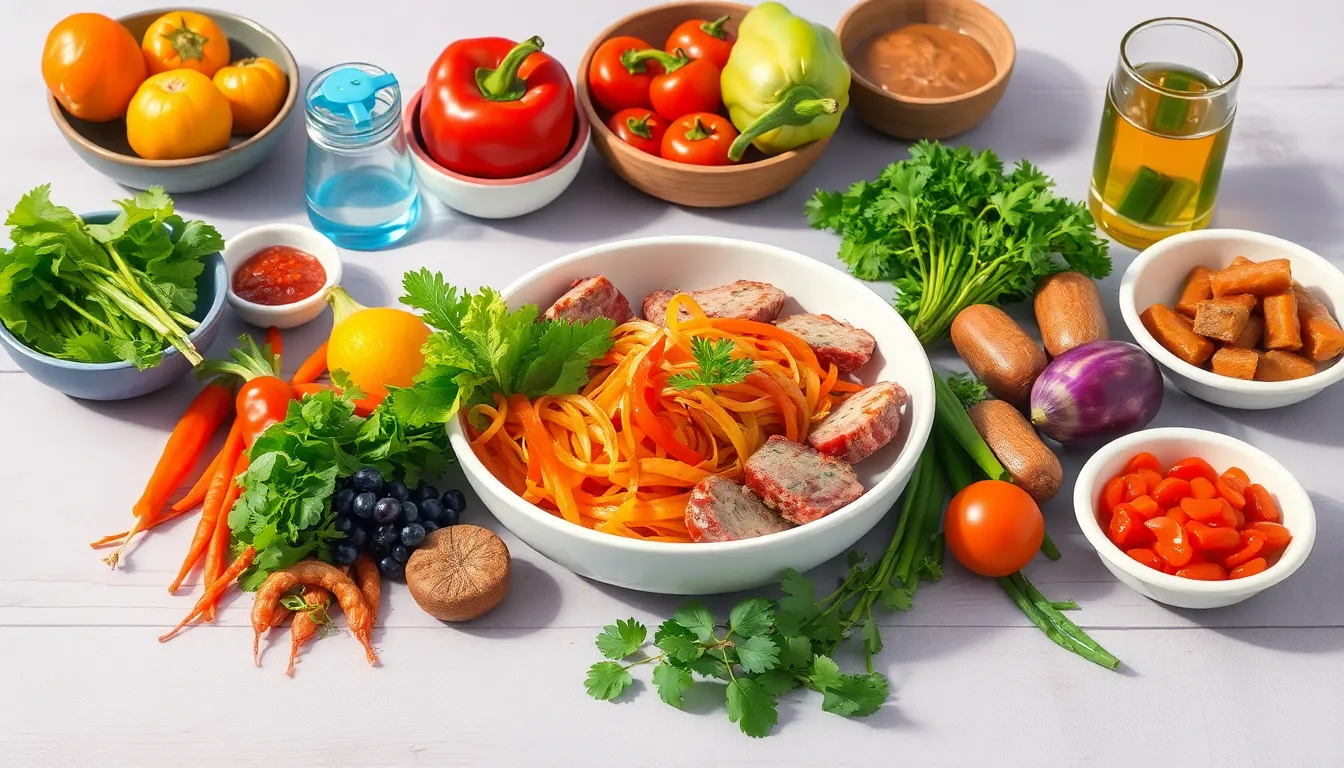
Nadimasaaie offers numerous advantages, making it a standout choice in culinary traditions.
Health Advantages
Nadimasaaie combines fresh ingredients, yielding a nutrient-rich meal. Vitamins and minerals from vegetables contribute to overall well-being. The inclusion of herbs enhances flavor while providing antioxidant properties. Cooking methods focus on preserving nutrients, making it a healthier option compared to heavily processed foods. Protein sources in meat-based versions support muscle health, while vegetarian adaptations fulfill dietary requirements without sacrificing taste. Eating nadimasaaie promotes mindful consumption, encouraging people to appreciate quality ingredients.
Environmental Impact
Nadimasaaie showcases local ingredients, promoting sustainability in food sourcing. Supporting local farmers reduces carbon footprints associated with long-distance transport. Seasonal availability of products allows for eco-friendly adaptation of the dish. Using fewer processed ingredients cuts down waste and energy consumption in food production. Communities embracing nadimasaaie foster environmental responsibility through traditional cooking practices. Its popularity encourages sustainable culinary practices, emphasizing the connection between food choices and environmental health.
How to Use Nadimasaaie
Nadimasaaie serves as a versatile dish that adapts to various culinary contexts. Its preparation methods play a crucial role in achieving the desired flavor profile.
Preparation Methods
Cooking nadimasaaie involves diverse techniques that enhance its rich taste. Steaming allows for fresh ingredients to maintain their nutrients. Sautéing helps bring out the full spectrum of spices and herbs, resulting in robust flavors. Grilling imparts a smoky essence to the dish, while slow-cooking ensures tenderness in meat variations. Each approach showcases local preferences, contributing unique traits to the dish. Chefs select combinations that highlight seasonal ingredients, ensuring freshness and taste throughout the year.
Suggested Recipes
Several recipes illustrate the adaptability of nadimasaaie. A classic vegetarian version blends chickpeas with aromatic spices, serving as a hearty option. Another delightful recipe features chicken marinated in yogurt and spices, grilled to perfection. For a seafood twist, consider using shrimp cooked with garlic and lemon to elevate the dish’s essence. Various side accompaniments, such as herb-infused rice or tangy salads, complement the main offerings. Each recipe encourages experimentation, allowing individuals to express their culinary creativity while honoring traditional flavors.
Where to Find Nadimasaaie
Finding nadimasaaie can be an exciting culinary adventure. Local markets often showcase fresh ingredients essential for this dish, from vibrant vegetables to aromatic herbs. Grocery stores in many regions may also stock specialty items used in nadimasaaie preparations, such as various spices and quality meats.
Restaurants focusing on authentic regional cuisine frequently feature nadimasaaie on their menus. Dining establishments that prioritize traditional dishes create unique interpretations, making them great spots to explore flavors and textures of this delightful meal. Food festivals celebrating local traditions can bring together several chefs who serve their takes on nadimasaaie, introducing diners to diverse variations.
Home cooks interested in trying their hand at nadimasaaie can find numerous recipes online. Culinary blogs and websites often present detailed instructions and tips for preparing this dish, offering a range of options that will suit various tastes and dietary needs. Recipe videos on platforms like YouTube can guide home chefs through every step of the cooking process.
Local cooking classes may also provide hands-on opportunities to learn about nadimasaaie. Engaging with experienced chefs in these sessions allows enthusiasts to discover traditional techniques and adapt them for modern kitchens. Cookbooks dedicated to specific cuisines might feature chapters highlighting nadimasaaie, ensuring aspiring cooks find reliable sources of inspiration.
Community events or potlucks often spotlight nadimasaaie as a shared dish, fostering camaraderie around food. Friends and families can explore making their versions together, creating connections through culinary experiences. Seeking out these gatherings can lead to delightful surprises and conversations about this cherished recipe.
Nadimasaaie is more than just a dish; it’s a celebration of culture and community. Its rich flavors and diverse preparation methods invite everyone to explore and enjoy its unique offerings. As it continues to gain popularity, nadimasaaie stands as a testament to the power of food in bringing people together.
With its health benefits and sustainable practices, it encourages a deeper connection to local ingredients and culinary traditions. Whether enjoyed at a family gathering or a festive occasion, nadimasaaie promises to deliver a memorable experience. Embracing this dish not only enriches the palate but also fosters a sense of belonging and shared heritage.