

In the fast-paced world of first-person shooters, every millisecond counts. Gamers know that a split-second delay can mean the difference between victory and a glorious respawn. But what really drives those lightning-fast reflexes? It’s not just about practice—it’s about understanding fps reaction time and how it can transform a casual player into a formidable opponent.
Imagine dodging bullets while simultaneously lining up the perfect headshot. Sounds like a superhero move, right? Well, it’s all in the reaction time. As players dive into the mechanics of their favorite games, they discover that honing their reflexes can unleash a new level of performance. So grab your controller and get ready to explore the science behind those jaw-dropping moments when skill meets speed.
Understanding FPS Reaction Time
FPS reaction time plays a crucial role in gaming performance. This concept encompasses the duration between perceiving an event and executing a response.
Definition of FPS Reaction Time
FPS reaction time refers to the speed at which a player identifies in-game stimuli and acts on them. It measures how long it takes for the brain to process visual information, resulting in a physical action, such as shooting or dodging. Reaction time typically ranges from 100 to 300 milliseconds for most players, with elite gamers often achieving times closer to 100 milliseconds. Various factors, including hand-eye coordination and cognitive processing speed, influence these reaction times.
Importance of Reaction Time in Gaming
Reaction time significantly affects a player’s ability to compete in first-person shooters. Quick reflexes often mean the difference between winning and losing a match. Higher reaction times enable players to respond promptly to opponents’ actions, evade incoming fire, and secure crucial advantages. Statistics show that gamers with top-tier reaction times frequently rank higher in competitive play. Prioritizing reaction time training can elevate a player’s gameplay, transforming casual players into formidable opponents.
Factors Influencing FPS Reaction Time
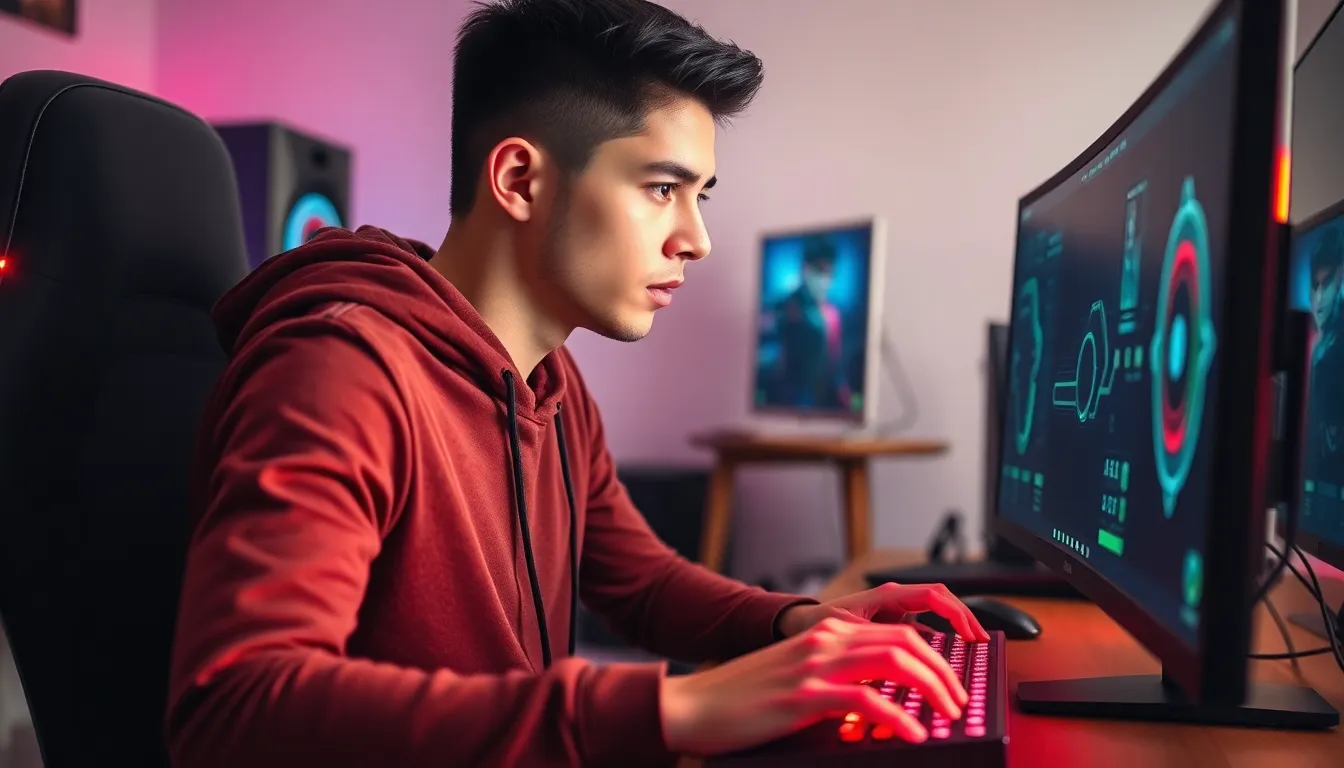
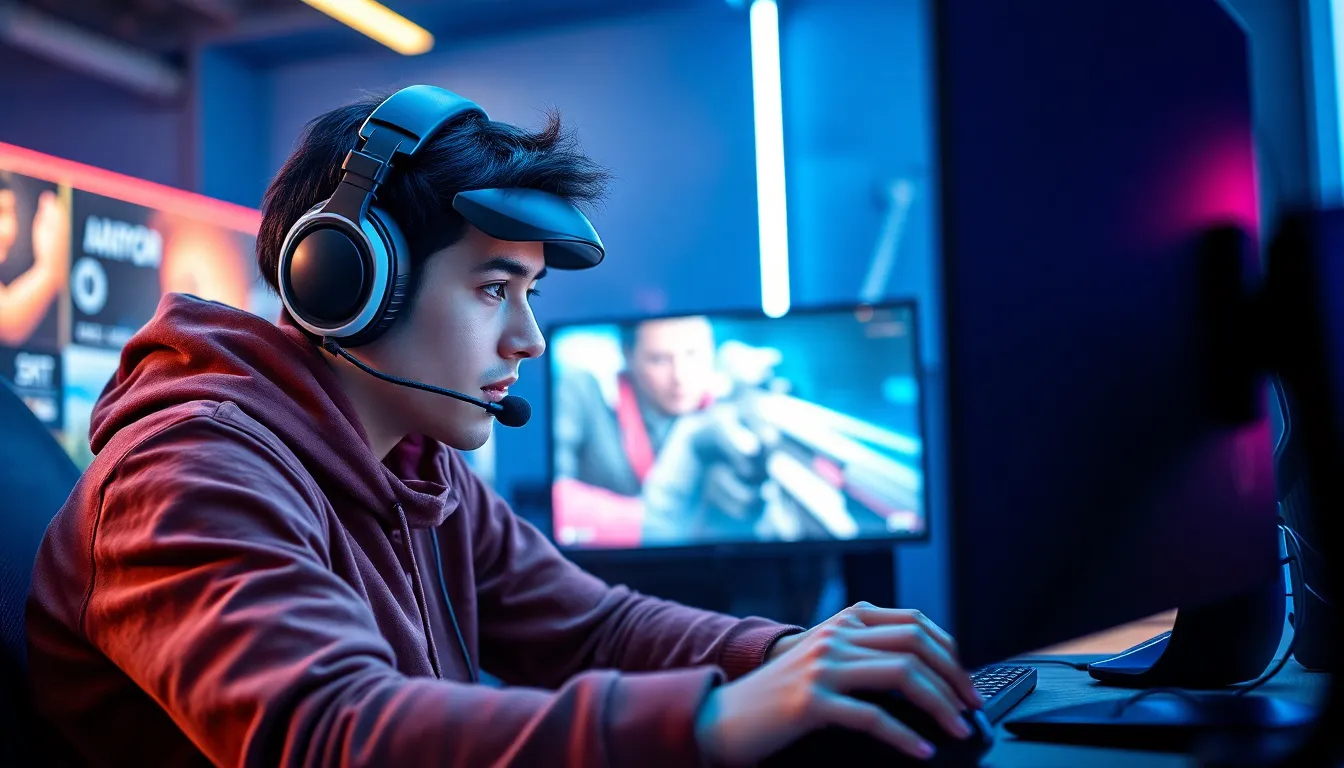
Various elements affect FPS reaction time, shaping how players perform in gaming scenarios. Recognizing these factors helps in enhancing overall gameplay.
Age and Physical Fitness
Age significantly impacts reflexes, with younger players generally exhibiting faster reaction times. Older individuals often experience delays in cognitive processing speed and physical agility. Physical fitness plays an essential role as well. Regular exercise improves hand-eye coordination and overall response speed. Studies show that fit individuals can react quicker than sedentary peers, highlighting fitness’s crucial role in gaming performance. Prioritizing physical activity can contribute to sharper reflexes in FPS games.
Practice and Experience
Practice directly enhances FPS reaction times. Regular engagement with shooters leads to improved hand-eye coordination and faster decision-making skills. Experienced players develop muscle memory, allowing them to react almost instinctively. Research indicates a significant difference in reaction times between beginners and seasoned players, with the latter frequently achieving results closer to 100 milliseconds. Engaging in specific drills can further refine these skills, effectively bridging the gap between casual and competitive gamers.
Hardware Specifications
Hardware specifications significantly influence reaction times in FPS games. High refresh rates and low input lag on monitors create a smoother visual experience, allowing players to react more swiftly. The type of gaming peripherals also matters. Mechanical keyboards often provide quicker response times than membrane keyboards. Top-tier gaming mice feature adjustable DPI settings, catering to individual player preferences. Investing in quality hardware can enhance overall performance, making a measurable difference in competitive scenarios.
Measuring FPS Reaction Time
Measuring FPS reaction time involves using different methods and tools to accurately track player responses. Understanding these techniques can provide insights into how to enhance skills.
Common Methods of Measurement
Common methods for assessing reaction time include simple click tests and in-game scenarios. Many players utilize reaction time tests that track how quickly they respond to visual or auditory cues. Others engage in playing FPS games where specific actions, like shooting an enemy, are timed. Consistent practice under similar conditions allows players to gauge their progress while identifying strengths and weaknesses in their performance. Group comparison is common, where individuals measure their times against peers to understand their relative reaction speeds.
Tools and Software for Testing
Various tools and software applications support reaction time testing. Reaction time test websites often feature simple tasks for measuring player responses to stimuli. Dedicated gaming apps provide more immersive testing environments by replicating FPS scenarios. Some players opt for training software that incorporates game elements, allowing for a seamless blend of practice and reaction assessment. Online leaderboards available in some applications also motivate players by tracking and comparing their scores with others, fostering improvement in reaction time and overall gameplay skills.
Improving FPS Reaction Time
Improving FPS reaction time requires focused efforts and strategic training. Players can enhance their skills through specific techniques and drills tailored for quick reflexes.
Training Techniques
Consistent practice holds the key to improvement. Many players benefit from timed reaction drills that simulate in-game scenarios. Reaction tests using flashing lights or sound cues challenge players to respond as fast as possible. Incorporating reflex training games into a routine adds variety while sharpening skills. Competitive gaming environments also help players adjust to high-pressure situations, requiring rapid responses.
Useful Exercises and Drills
Several effective exercises boost FPS reaction time. Simple click tests allow players to measure their speed and track progress over time. Target tracking exercises enhance hand-eye coordination by requiring quick movements to follow targets on a screen. Reaction-based mobile apps provide additional practice by delivering instant feedback and competitive scores. Using a clicker, players can repeatedly test their speed, aiming for improved metrics. Regularly participating in these drills builds muscle memory, resulting in faster reactions during actual gameplay.
Improving FPS reaction time is essential for any gamer looking to elevate their performance. By understanding the mechanics behind reaction times and actively working on strategies to enhance them, players can gain a competitive edge. Whether through targeted drills or utilizing the right gaming equipment, every effort counts.
As players invest time in practice and training, they’ll likely notice significant improvements in their gameplay. This commitment not only enhances individual skills but also contributes to a more enjoyable gaming experience. With dedication and the right approach, anyone can transform their reflexes and become a formidable presence in the FPS gaming community.