
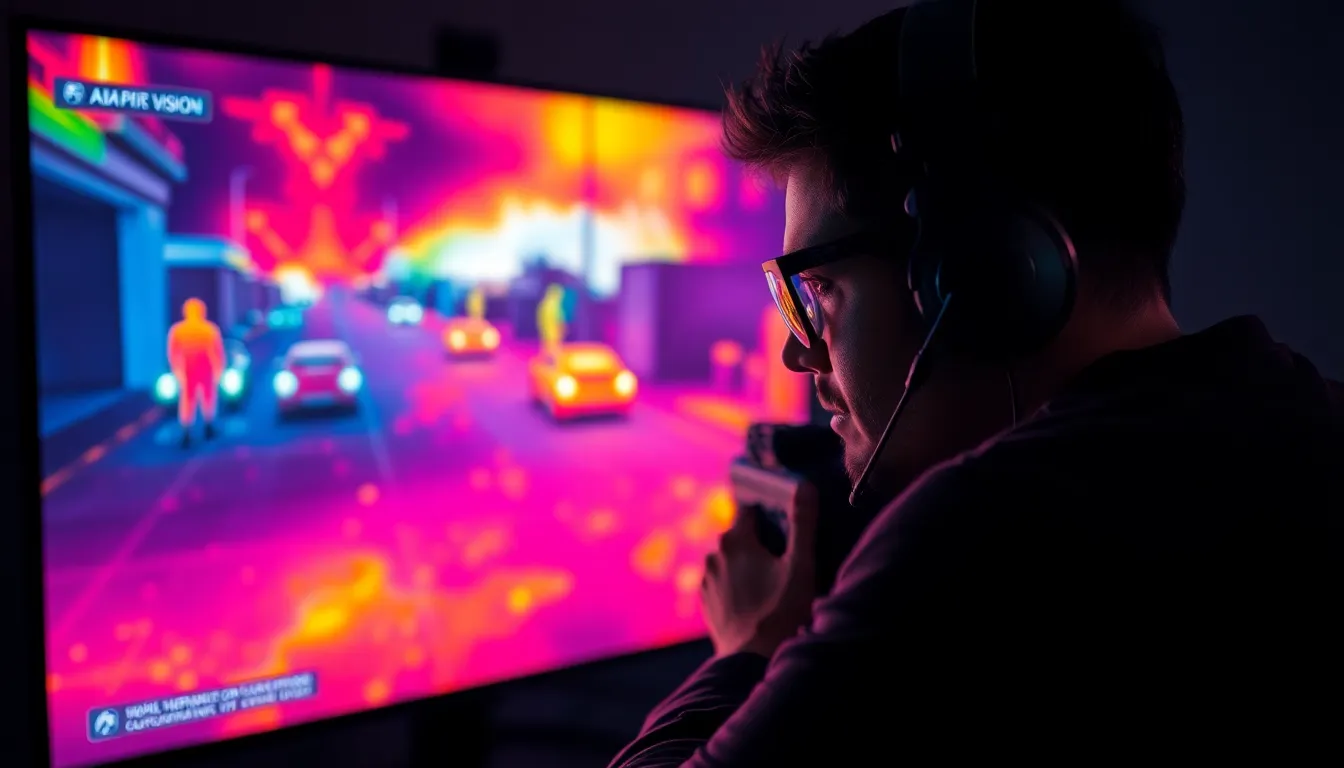
Imagine stepping into a world where every heat signature comes alive, revealing secrets hidden from the naked eye. FPS thermal vision isn’t just a fancy gadget; it’s a game-changer that transforms the way players engage with their environment. Whether it’s spotting that sneaky opponent lurking in the shadows or navigating through foggy terrains, thermal vision adds an electrifying twist to gameplay.
Overview of FPS Thermal Vision
FPS thermal vision significantly transforms gameplay experiences. Players gain the ability to see heat signatures, which adds depth to strategic planning. The technology distinguishes between various temperatures, highlighting enemies, vehicles, or other players in darker environments.
Graphs and visuals become tools for analysis. Developers often utilize thermal vision in games to create immersive worlds where tactics matter. Detecting hidden opponents turns into a high-stakes challenge that elevates competition. Players navigate complex maps with enhanced awareness, allowing for improved survival rates.
Visibility comes into play with contrasting colors for heat sources, providing crucial information in real-time. This visual innovation sparks innovative strategies as players adapt to encounter scenarios and develop game plans. The heat map integration into common gaming mechanics reinforces engagement and participation.
Performance in such environments often relies on user experience and skill level. Mastering FPS thermal vision means understanding optimal engagement points and strategizing based on thermal cues. Games incorporating this technology foster a unique blend of excitement and strategy, empowering players to make decisive moves.
Utilizing thermal vision effectively bridges the gap between casual and competitive gaming. With consistent updates in graphics technology, thermal vision can become a staple in many future FPS titles, ensuring players remain captivated by immersive gaming experiences. This advancement shapes the evolving landscape of gaming by merging realism with strategy.
Technology Behind FPS Thermal Vision
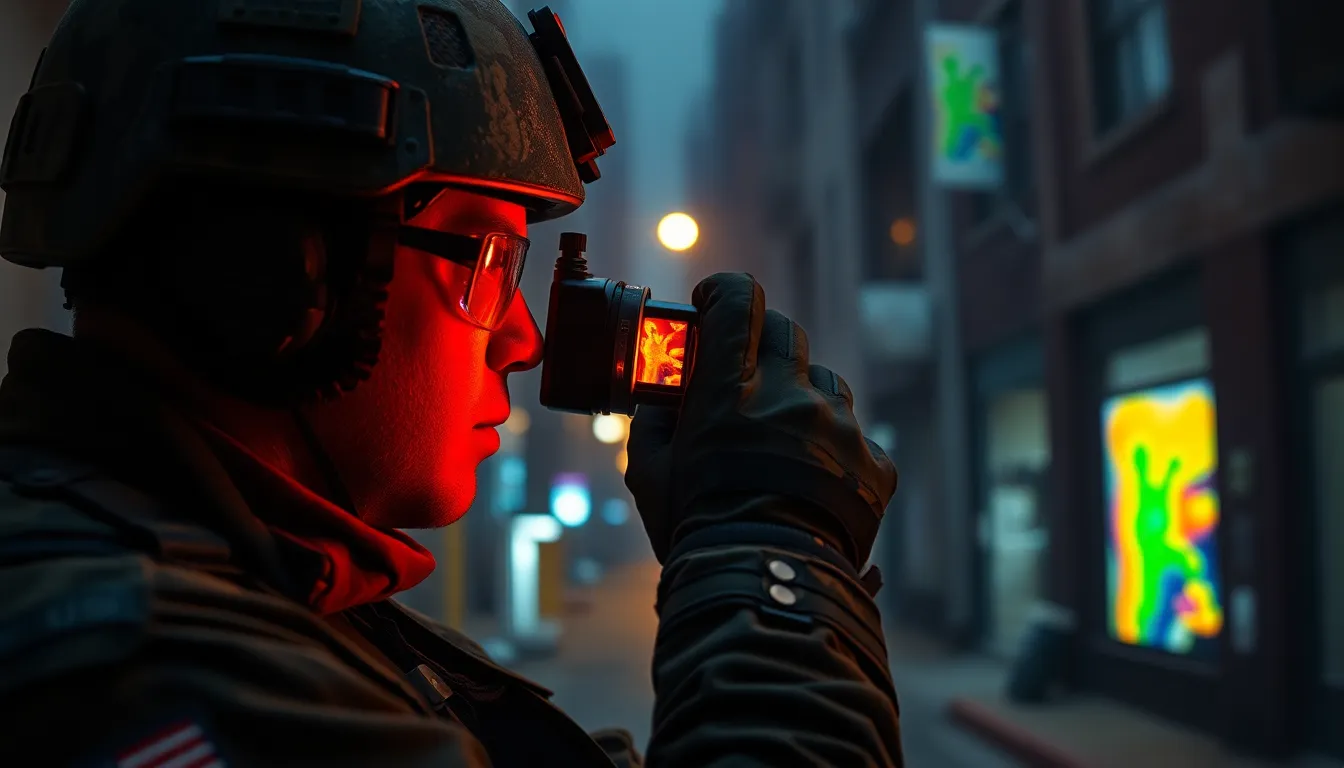
FPS thermal vision relies on advanced thermal imaging technology to enhance gameplay. This technology enables players to perceive heat signatures, which adds layers of strategy and realism to their gaming experience.
How Thermal Imaging Works
Thermal imaging detects infrared radiation emitted by objects, translating them into visible images. Heat represents varying temperatures, allowing players to discern between friendly units, enemies, and environmental elements. Sensors capture this infrared energy, processing it to create a thermal map. Color gradient displays often visualize these maps, where warmer colors indicate higher temperatures. Players can quickly identify potential threats or hidden opponents in low-visibility conditions. Understanding thermal signatures becomes key to devising strategic gameplay.
Types of Thermal Sensors
Multiple types of thermal sensors exist in the realm of FPS gaming. Uncooled sensors utilize microbolometer technology, which identifies temperature differences without the need for cooling systems. Cooled sensors, on the other hand, require cryogenic cooling, offering higher sensitivity and precision. These sensors suit specific game requirements and environments. Each type affects performance and realism, enhancing player immersion. High-performance sensors cater to competitive gaming needs, enabling quick responses and tactical decisions. Choosing the right sensor is significant in maximizing the benefits of thermal vision in gameplay.
Applications of FPS Thermal Vision
FPS thermal vision finds applications across various fields, enhancing functionality and effectiveness through advanced thermal imaging technology.
Military and Defense
Thermal vision plays a crucial role in military and defense operations. It enables soldiers to detect heat signatures from distant targets, which enhances situational awareness. For instance, recognizing enemy positions in low-visibility conditions becomes straightforward, allowing for strategic planning. Soldiers utilize thermal vision to identify vehicles, equipment, and personnel, significantly improving mission success rates. Adaptability in various terrains further strengthens operational efficiency, as soldiers can engage threats while minimizing risks.
Law Enforcement and Security
Thermal vision also proves invaluable for law enforcement and security professionals. Officers implement thermal imaging to locate suspects during nighttime operations, increasing safety and effectiveness during pursuits. Thermal vision reveals concealed objects and potential hiding spots, assisting in tactical assessments. Surveillance applications benefit from the technology, monitoring critical areas and providing real-time intelligence. Enhanced decision-making arises from the ability to assess situations without direct line of sight, making thermal vision an essential resource in public safety.
Hunting and Wildlife Observation
In hunting and wildlife observation, thermal vision offers substantial advantages. Hunters rely on this technology to identify game in complete darkness or challenging weather conditions. Distinguishing animals from their surroundings becomes easier, allowing for precise tracking and targeting. Wildlife enthusiasts use thermal imaging to observe animal behavior without disturbing their natural habitat, promoting conservation efforts. Identifying species and monitoring populations gain efficiency through thermal vision, fostering a better understanding of wildlife dynamics.
Advantages of FPS Thermal Vision
FPS thermal vision offers numerous advantages that elevate gameplay experiences by enhancing visibility and awareness in competitive settings.
Enhanced Detection Capabilities
Enhanced detection capabilities allow players to spot enemies hidden from the naked eye. The technology highlights variations in heat signatures, enabling identification of both dynamic and static objects. It offers a crucial edge during intense combat scenarios. Players can differentiate between friend and foe with ease, streamlining decision-making processes. Incorporating this technology transforms tactical gameplay, ensuring high-stakes encounters become manageable. Additionally, understanding environmental heat sources contributes to better strategic positioning in increasingly complex maps.
Performance in Low-Light Conditions
Performance in low-light conditions sets FPS thermal vision apart from standard visual technologies. Traditional optics struggle in darkness, while thermal imaging excels, revealing details often concealed. Players easily navigate and engage in challenging environments after sunset or within shadowy spaces. Enhanced situational awareness becomes possible due to the ability to track movement in near-total darkness. This advantage not only boosts survival rates but also intensifies competition among players. Mastering thermal vision under these conditions fosters a greater sense of control over the game, leading to improved overall performance.
Challenges and Limitations
Thermal vision in FPS gaming presents unique challenges and limitations that affect its effectiveness and accessibility.
Cost Considerations
Implementing FPS thermal vision technology often incurs significant costs. High-quality thermal sensors can range from hundreds to several thousand dollars. These costs sometimes limit accessibility for smaller game developers. Additionally, maintenance and updates further add to financial burdens. Investing in such technology may not yield immediate returns, making it a challenge for developers to justify expenditure. Game quality may increase with thermal vision, but developers must weigh costs against potential benefits.
Environmental Factors
Environmental conditions can hinder the performance of FPS thermal vision. Rain, fog, and smoke often obscure thermal signatures, making detection difficult. High temperatures in certain environments can also reduce the accuracy of readings. Adverse weather conditions can lead to inconsistent player experiences. Players may find challenges in navigating complex terrains where thermal cues become less reliable. Consequently, mastering thermal vision requires adaptation to various environmental elements to maintain effectiveness.
FPS thermal vision is revolutionizing the gaming landscape by enhancing player strategy and engagement. Its ability to reveal hidden threats and navigate complex environments adds a thrilling layer to gameplay. As players adapt to thermal cues and master this technology, they gain a competitive edge that elevates their performance.
The versatility of thermal vision extends beyond gaming, impacting fields like military operations and wildlife observation. Despite challenges such as cost and environmental limitations, the benefits of this technology are undeniable. As developers continue to innovate, FPS thermal vision is set to become an essential component in the future of gaming, merging realism with tactical depth.