

In the world of first-person shooters, the right map can make or break a player’s experience. Imagine crafting a battleground that’s not just a canvas but a thrilling adventure waiting to unfold. Enter the FPS map editor—a game-changer for anyone looking to unleash their creativity and design epic arenas.
Overview of FPS Map Editor
FPS map editors serve as pivotal tools in the development of first-person shooter games. These specialized applications empower users to create unique environments that cater to their gameplay preferences. Players can manipulate various elements, including terrain, structures, and spawn points, enhancing strategic gameplay.
Examples of popular FPS map editors include Valve’s Hammer Editor, Unreal Engine’s Level Editor, and CryEngine’s Sandbox. Each editor offers distinct features, allowing creators to experiment with artistic styles and gameplay mechanics. Customization options enable designers to build immersive worlds, fostering player engagement.
Collaboration plays a vital role in the map creation process. Many editors facilitate sharing, enabling users to upload and download maps. This interaction often leads to community-driven content and shared experiences, enriching the gaming landscape.
Performance optimization within these editors is essential. Tools for testing and debugging help identify issues before maps go live. Ensuring maps run smoothly on various hardware configurations helps maintain a broad player base.
Documentation and support resources enhance the user experience. Many editors provide tutorials, forums, and guides to assist new users in navigating the complexities of map creation. Engaging with these resources contributes to a seamless learning curve.
FPS map editors significantly influence game design. Their versatility allows players to unlock creative potential while shaping the dynamics of first-person shooter gameplay. By utilizing these tools, individuals can breathe life into their visions and contribute to the ever-expanding world of gaming.
Key Features
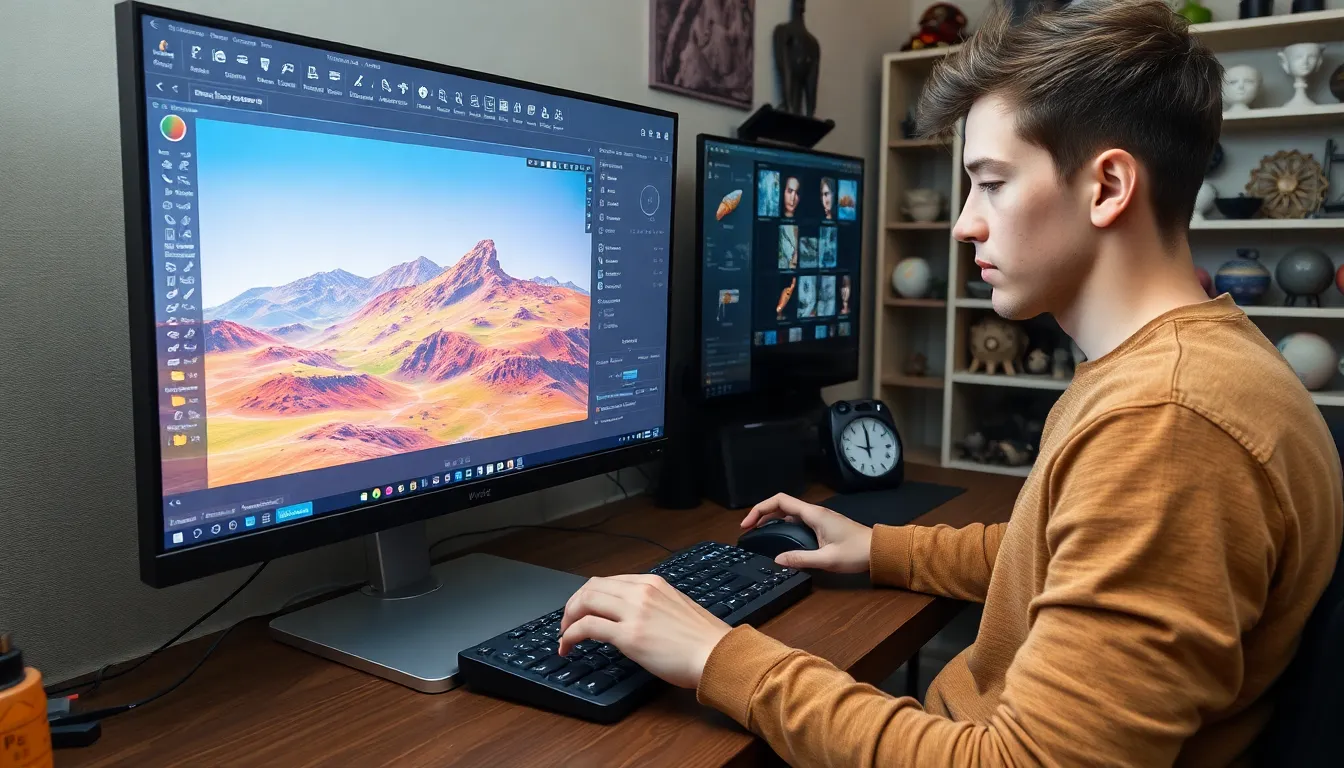
FPS map editors provide essential tools that enhance map creation for users. They boast several key features that offer a streamlined and engaging design process.
User Interface Design
An intuitive layout simplifies navigation within FPS map editors. Clear icons and visual prompts guide users through various functions. Accessibility remains a priority, enabling swift adjustments to maps without frustration. Toolbars can often be customized to suit individual workflows, improving efficiency. Visual feedback instantly shows changes made, fostering a smooth editing experience.
Customization Options
Extensive customization options empower users to design maps to their unique specifications. From terrain modification to object placement, flexibility is crucial in shaping gameplay. Users can adjust lighting, scale, and textures for distinct atmospheres. Such detailed control allows for the creation of targeted environments that enhance engagement. Moreover, advanced settings enable precision in object attributes, ensuring that every element fits seamlessly into the map.
Asset Library
A comprehensive asset library serves as a valuable resource for creators. Users can access a range of pre-built models, textures, and sounds, streamlining the development process. Constant updates and community contributions expand the library over time. Specific categories help users find assets quickly, saving time during creation. Utilizing these assets fosters creativity and ensures that maps remain vibrant and dynamic.
Performance and Usability
Performance and usability are critical factors in the effectiveness of FPS map editors. These elements influence user experience and overall satisfaction with the tool.
Learning Curve
The learning curve for different FPS map editors can vary considerably. Some editors come with extensive tutorials, making them beginner-friendly. Learning resources like documentation and community forums provide valuable insights. Users often find hands-on practice invaluable for mastering features. Experienced creators may prefer tools that allow for advanced customization with minimal guidance, while newcomers benefit from intuitive designs. Tutorials and templates help users grasp essential functions quickly. Various editors strike a balance between ease of use and depth of functionality, catering to both beginners and seasoned map makers.
System Requirements
System requirements play a significant role in the performance of FPS map editors. Editors like Unreal Engine and CryEngine demand high specifications to handle complex projects smoothly. Minimum requirements typically include a multi-core processor, 8GB RAM, and a dedicated graphics card. Optimizing system performance ensures a lag-free experience during map creation. Compatibility with operating systems should also be considered. Higher specifications improve loading times and reduce rendering delays, enhancing workflow efficiency. Users should evaluate their hardware against the requirements of the chosen editor to achieve optimal performance.
Community and Support
Community support enhances the FPS map editor experience. Enthusiasts share their knowledge and creativity, fostering an environment for growth.
User Tutorials
User tutorials play a crucial role in navigating FPS map editors. Comprehensive tutorials often provide step-by-step guidance, empowering beginners to get started quickly. Videos and written guides help demystify complex features. Detailed examples and projects illustrate concepts clearly. Users can learn at their own pace and apply new skills to their own maps. Increased accessibility leads to a more robust creator community. Often, experienced creators contribute to these resources, reinforcing collaboration.
Forums and Community Feedback
Forums serve as invaluable resources for users seeking assistance. Participants discuss various aspects of map creation, offering tips and tricks based on firsthand experience. Feedback from fellow creators helps refine designs and encourages innovative thinking. Communities often organize contests to showcase talent, motivating users to experiment with their styles. Engaging in discussions fosters relationships and creates a sense of belonging among creators. Sites like Reddit and dedicated Discord channels facilitate timely communication, enhancing the overall experience in FPS map development.
FPS map editors serve as a vital tool for gamers and developers alike. They not only enhance creativity but also shape the overall gaming experience. By enabling users to design unique environments and share them with the community, these editors foster collaboration and innovation.
With features that cater to both novices and seasoned creators, the right map editor can elevate gameplay and inspire new ideas. As the gaming landscape continues to evolve, the impact of these tools on game design and player engagement will only grow. Embracing the possibilities of FPS map editors can lead to thrilling new adventures and a deeper connection to the gaming world.