

The future of first-person shooters (FPS) is shaping up to be an exhilarating journey, blending cutting-edge technology with innovative gameplay. As developers push the boundaries of graphics and artificial intelligence, players can expect immersive experiences that redefine what it means to engage in virtual combat.
With the rise of virtual reality and advancements in cross-platform play, the FPS genre is set to evolve in ways that enhance community interaction and player engagement. Gamers are eager to see how these developments will influence storytelling, mechanics, and competitive play, making the future of FPS not just about shooting, but about creating dynamic, shared worlds.
Overview of FPS Future
The future of first-person shooters (FPS) focuses on integrating cutting-edge technology and innovative gameplay elements. Enhanced graphics significantly raise immersion levels, providing players with lifelike environments and character animations. With advancements in artificial intelligence, non-player characters (NPCs) exhibit realistic behaviors and adaptive strategies, transforming combat dynamics.
Virtual reality pushes boundaries further, allowing players to physically engage with game worlds. This technology fosters a deeper connection to gameplay, enabling immersive experiences that traditional setups cannot replicate. Cross-platform play expands community interaction, uniting players across devices and platforms, which enhances social gaming experiences.
Evolving storytelling mechanisms will elevate narrative depth in FPS titles. Developers explore intricate plots and character arcs, making campaigns compelling and memorable. Mechanics also adapt, with gameplay becoming more strategic and team-oriented, which emphasizes coordination and cooperation in multiplayer modes.
Competitive play benefits from these advancements, featuring improved matchmaking and balanced gaming environments, leveling the playing field for players. As the FPS genre evolves, it becomes a dynamic, shared experience that redefines what engaging gameplay entails.
Technological Advancements

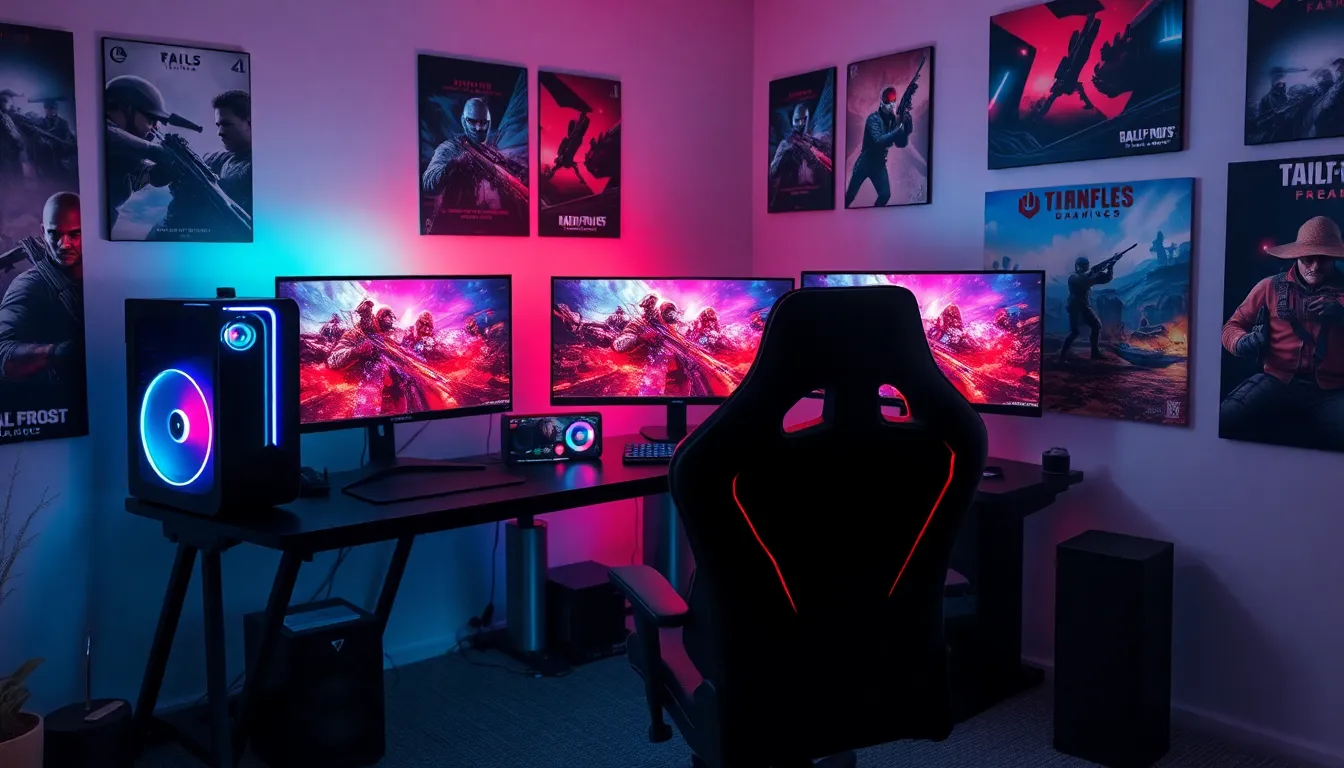
Technological advancements drive the future of first-person shooters (FPS), pushing boundaries in graphics, artificial intelligence, and gameplay mechanics. Innovations in these areas significantly enhance player engagement and overall gaming experiences.
Graphics and Visuals
Improved graphics and visuals create immersive environments for players. Techniques such as ray tracing enhance lighting and shadow effects, adding realism to game worlds. High dynamic range (HDR) graphics improve color accuracy, providing a more vibrant display. Moreover, adaptive rendering techniques optimize performance based on player hardware capabilities, ensuring high-quality visuals across devices. These advancements lead to lifelike character animations, making interactions more believable and engaging.
AI and Machine Learning
AI and machine learning revolutionize gameplay dynamics in FPS titles. Enhanced NPC behavior results from sophisticated algorithms, allowing characters to adapt to players’ strategies. These NPCs respond realistically to in-game actions, creating unpredictable combat scenarios. Additionally, machine learning enables personalized game experiences by analyzing player behavior and adjusting challenges accordingly. Improved matchmaking systems utilize AI to connect players with similar skill levels, fostering balanced and competitive gameplay environments.
Gameplay Innovations
Innovations in gameplay are reshaping the future of first-person shooters (FPS). These advancements enhance player engagement and dynamic interactions within game environments.
Game Mechanics Evolution
Game mechanics continue to evolve, focusing on strategic elements and player collaboration. Modern FPS titles implement systems that encourage teamwork, allowing players to experience more complex tactical scenarios. Objectives often require coordinated efforts across diverse character classes, promoting varied playstyles. Mechanics such as reworked health and damage systems support a more balanced approach to combat, reducing frustration from unpredictable outcomes. Additionally, adaptive AI introduces unexpected challenges, ensuring gameplay remains fresh and engaging.
Immersive Experiences
Immersive experiences redefine player connections to game worlds. Developers leverage virtual reality (VR) and augmented reality (AR) technologies, enabling full-body interaction and an enhanced sense of presence. Through haptic feedback, players engage with environments in meaningful ways, heightening emotional responses to in-game events. Sound design plays a crucial role in immersion, incorporating 3D audio techniques to simulate realistic environments. These innovations contribute to creating rich, engaging worlds that resonate deeply with players, allowing for a more personal and impactful gameplay experience.
Community and Multiplayer Dynamics
Community and multiplayer interactions shape the future of first-person shooters (FPS). These dynamics play a crucial role in player engagement, promoting collaboration and competition.
Player Interactions
Player interactions increasingly reflect the importance of communication and teamwork in FPS games. Enhanced voice chat features empower players to strategize effectively, improving outcomes in competitive scenarios. Social media integration allows sharing of gameplay clips, fostering community engagement through shared experiences. Online forums and platforms enable discussions, supporting modifications and fan-created content that enrich the gaming landscape. Additionally, live events and in-game collaborations create immersive experiences, uniting players and enhancing camaraderie within the community.
Esports and Competitive Gaming
Esports continue to revolutionize FPS gaming, offering competitive players opportunities to showcase their skills on global stages. Major tournaments, supported by sponsorships and streaming platforms, attract massive audiences, highlighting the rise of professional players. Organized leagues and rankings create structured environments that foster skill development and strategic play. Continuous improvements in matchmaking systems ensure balanced competitions, allowing players at various skill levels to participate. This competitive scene not only enhances community dynamics but also drives innovation within the genre, as developers aim to create optimized experiences for both casual and professional gamers.
The Role of Virtual Reality
Virtual reality (VR) transforms FPS gaming by immersing players in lifelike environments, enhancing engagement through a first-person perspective. VR headsets create a 360-degree experience that allows players to look around, move, and interact with their surroundings as if they are truly part of the game. Such immersion offers a distinct advantage in FPS gameplay, intensifying the thrill of combat and tactical decision-making.
VR also promotes physical movement, as players must navigate virtual landscapes, enhancing the connection to gameplay. Full-body tracking technology captures player motions, providing realistic character interactions and fluid gameplay. Haptic feedback further intensifies experiences, enabling players to feel impacts and vibrations, which adds a layer of emotional involvement.
The integration of VR into FPS titles encourages innovative game design. Developers maximize the benefits of immersive gameplay, creating unique mechanics that leverage physical engagement and spatial awareness. These mechanics often one-up traditional controls, resulting in deeper strategic elements such as flanking maneuvers or cover mechanics, adaptable in real-time to player actions.
Furthermore, social interactions in VR lead to enhanced multiplayer dynamics. Players can communicate face-to-face in virtual environments, fostering teamwork and camaraderie. The sense of presence in shared spaces allows for improved coordination in cooperative modes, elevating the overall multiplayer experience.
As the technology continues to evolve, VR plays a crucial role in pushing FPS boundaries. New developments enhance realism, from visual fidelity to interactive environments, ensuring stunning graphics combined with seamless gameplay. The future of FPS gaming lies in the collaboration of these advancements, creating unparalleled experiences that redefine player engagement in the genre.