

In the fast-paced world of gaming, FPS (frames per second) plays a crucial role in delivering an immersive experience. Gamers often chase high FPS numbers, believing they equate to smoother gameplay and a competitive edge. Understanding the technical aspects of FPS can significantly enhance one’s gaming performance and enjoyment.
As technology advances, the importance of optimizing FPS becomes even more apparent. Factors like hardware specifications, game settings, and network conditions all contribute to the overall frame rate. By delving into the intricacies of FPS, players can unlock their full potential and stay ahead in the gaming arena. Whether you’re a casual gamer or a seasoned pro, mastering FPS technicalities is essential for achieving that ultimate gaming experience.
Overview of FPS Technical
FPS, or frames per second, measures how many individual images a system can produce in one second. This metric holds substantial importance in gaming, as higher frame rates lead to smoother and more fluid gameplay. Understanding FPS technicalities requires a look into several critical components.
Hardware Specifications
- Graphics Card: The GPU significantly influences frame rates, with powerful models capable of rendering more frames.
- CPU: The processor affects frame calculations, particularly in CPU-intensive applications.
- RAM: Adequate memory ensures smooth gameplay, preventing lag during high-action scenes.
Game Settings
- Resolution: Higher resolutions require more processing power and can reduce FPS.
- Graphics Quality: Settings like texture quality and shadow details impact frame rates; lower settings boost performance.
- V-Sync: This setting synchronizes frame output with display refresh rates but may limit FPS.
Network Conditions
- Ping: Lower latency improves responsiveness, indirectly affecting perceived frame rates in online play.
- Bandwidth: Sufficient internet speed enables stable and consistent performance, especially in multiplayer environments.
Optimization Techniques
- Frame Rate Cap: Capping FPS to match monitor refresh rates prevents screen tearing and stuttering.
- Overclocking: Adjusting hardware settings to operate at higher speeds can enhance frame rates but risks overheating.
- Driver Updates: Keeping graphics drivers updated ensures optimal performance and compatibility with the latest titles.
By grasping these technical elements, gamers can better manage their systems to maximize FPS, enhancing their overall gaming experience.
Key Components of FPS Technical
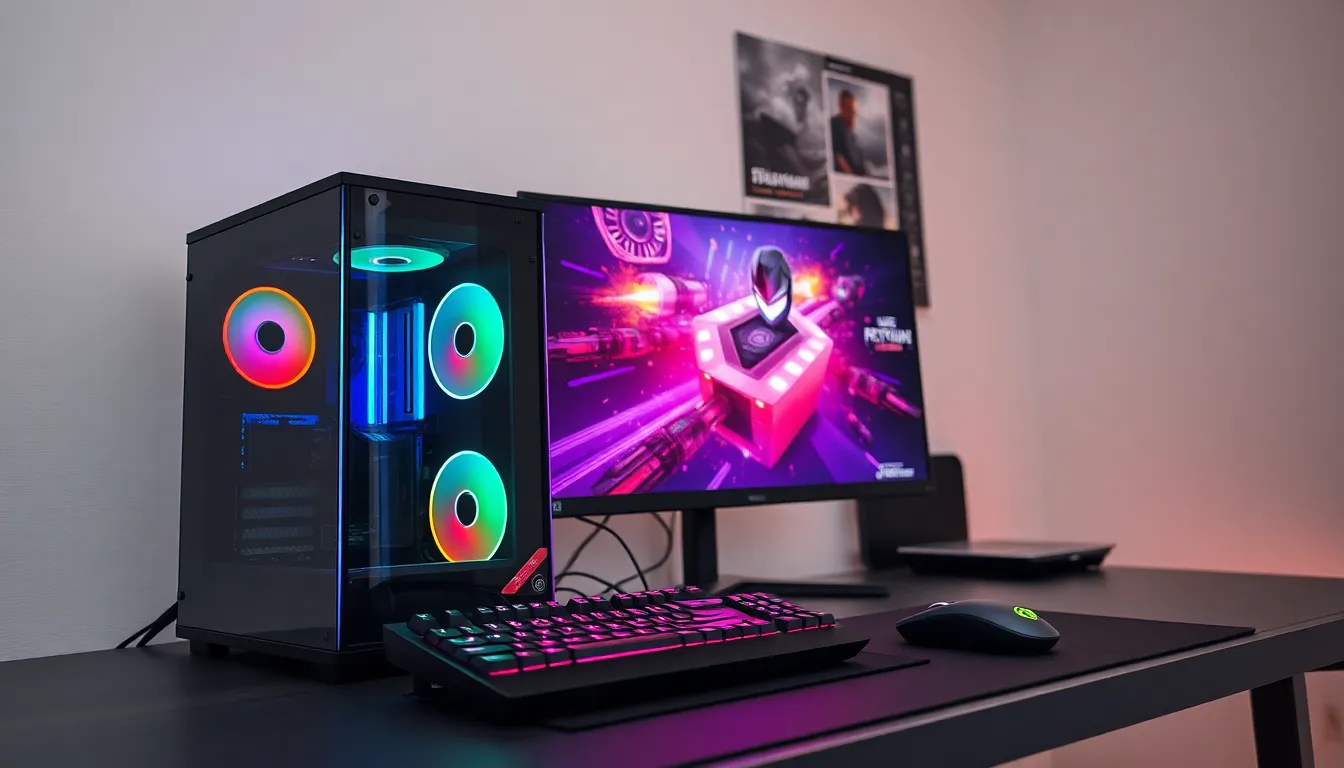
FPS optimization relies on understanding various technical components that directly influence gaming performance. The game engine architecture and rendering techniques play pivotal roles in achieving higher frame rates.
Game Engine Architecture
Game engine architecture determines how effectively a game utilizes hardware resources. Components include:
- Rendering Pipeline: The sequence of processes that converts a 3D model into 2D images. Optimized pipelines enhance frame rates.
- Physics Engine: Handles real-world physics simulations, impacting gameplay and performance. Efficient physics processes prevent frame drops.
- Audio Engine: Manages sound processing, which can affect system load and performance. Lightweight audio engines allow more resources for rendering.
- Scripting System: Governs game logic and interactions. Efficient scripting leads to better performance by minimizing CPU overhead.
Rendering Techniques
Rendering techniques significantly affect FPS by altering how graphics are processed. Key techniques include:
- Rasterization: Converts 3D images to 2D, focusing on speed and efficiency. This widely used method impacts frame rates when optimized.
- Ray Tracing: Simulates realistic lighting and shadows. While visually stunning, it demands more GPU resources and can lower FPS unless balanced correctly.
- Level of Detail (LOD): Uses varying detail levels for objects based on distance. Implementing LOD effectively maintains high frame rates by reducing rendering load on distant objects.
- V-Sync (Vertical Synchronization): Syncs frame rates with monitor refresh rates. Although useful in preventing screen tearing, it may introduce input lag or lower frame rates if not configured properly.
Understanding these components equips gamers with knowledge to enhance FPS through strategic adjustments and optimizations.
Importance of Frames Per Second (FPS)
FPS significantly influences both gameplay experience and technical performance in gaming. Understanding FPS and its implications is essential for gamers seeking to enhance their performance and enjoyment.
Impact on Gameplay Experience
Higher FPS directly correlates with smoother gameplay. An increase in frame rates reduces motion blur and enhances clarity, allowing for precise movements and quicker reactions. Gamers often benefit from improved responsiveness during competitive play, where milliseconds can determine the game’s outcome. For instance, 60 FPS provides a noticeable advantage over 30 FPS, as actions appear more fluid and immersive. Additionally, high FPS contributes to less input lag, which enhances player control and overall satisfaction.
Technical Considerations
Technical components crucial for optimizing FPS include hardware and software interactions. A robust graphics card serves as the backbone of frame rate performance, enabling effective rendering of high-quality visuals. CPU performance also affects how quickly a system processes game mechanics, while sufficient RAM ensures smooth multitasking and data handling. Game settings, such as resolution and detail level, must align with hardware capabilities to avoid bottlenecks, ensuring an optimized experience. Network conditions further impact FPS in online settings, where low ping and adequate bandwidth foster seamless interaction, minimizing lag and latency for all players.
Optimization Techniques for FPS
Achieving optimal FPS relies heavily on both hardware and software adjustments. Carefully selecting components and fine-tuning settings can lead to substantial improvements in gaming performance.
Hardware Recommendations
- Graphics Card: Invest in a high-performance graphics card for superior graphics rendering and higher frame rates. Graphics cards from NVIDIA GeForce RTX series or AMD Radeon RX series provide cutting-edge performance.
- CPU: Choose a multi-core processor to handle advanced gaming tasks efficiently. Options like Intel Core i7 or AMD Ryzen 7 excel in processing power, enabling better frame rates, especially in CPU-intensive games.
- RAM: Ensure at least 16GB of RAM for modern gaming needs. Higher memory capacity allows smooth multitasking and prevents slowdowns when running demanding applications.
- Cooling System: Implement an effective cooling system for maintaining optimal temperatures. Overheating can lead to throttling, reducing performance significantly.
- Power Supply Unit (PSU): Use a reputable PSU that provides ample power for all components. A dependable PSU ensures system stability during high-demand gaming sessions.
Software Solutions
- Graphics Drivers: Regularly update graphics drivers to leverage optimizations and fixes provided by manufacturers. Installing the latest drivers can improve compatibility and performance in new games.
- Game Settings: Adjust in-game settings to find a balance between visual quality and performance. Lowering settings like shadows, textures, and anti-aliasing can greatly enhance frame rates.
- Resolution and Refresh Rate: Optimize the display settings by using a resolution that balances visuals and performance. Use higher refresh rates (such as 144Hz or 240Hz) to enable smoother gameplay in competitive settings.
- Background Applications: Close unnecessary applications running in the background to free up system resources. Limiting background processes can alleviate pressure on CPU and RAM.
- FPS Limiting Tools: Utilize FPS limiting tools to prevent excessive frame rates that could lead to screen tearing. Tools like V-Sync or G-Sync can synchronize frame output for smoother visuals.
By implementing these hardware recommendations and software solutions, gamers can significantly enhance FPS, leading to an improved overall gaming experience.
Mastering FPS technical aspects is essential for gamers seeking to elevate their performance and enjoyment. By understanding how hardware specifications and game settings interact it’s possible to optimize frame rates effectively. Implementing strategic adjustments and embracing optimization techniques can lead to smoother gameplay and improved responsiveness.
Investing in high-quality components and keeping software updated ensures gamers can fully leverage their systems. As the gaming landscape continues to evolve staying informed about FPS optimization will remain crucial. With the right knowledge and tools anyone can enhance their gaming experience and gain a competitive edge.